Articles
How to Buy Real Estate in Israel: A Complete Investor's Guide
Looking to buy an apartment in Israel? Comprehensive transaction support: from Tabu verification to mortgage (mashkanta) processing. IsraRealty experts will hel
V
Viola Goldberg
- April 11, 2026
- 5 min reading time
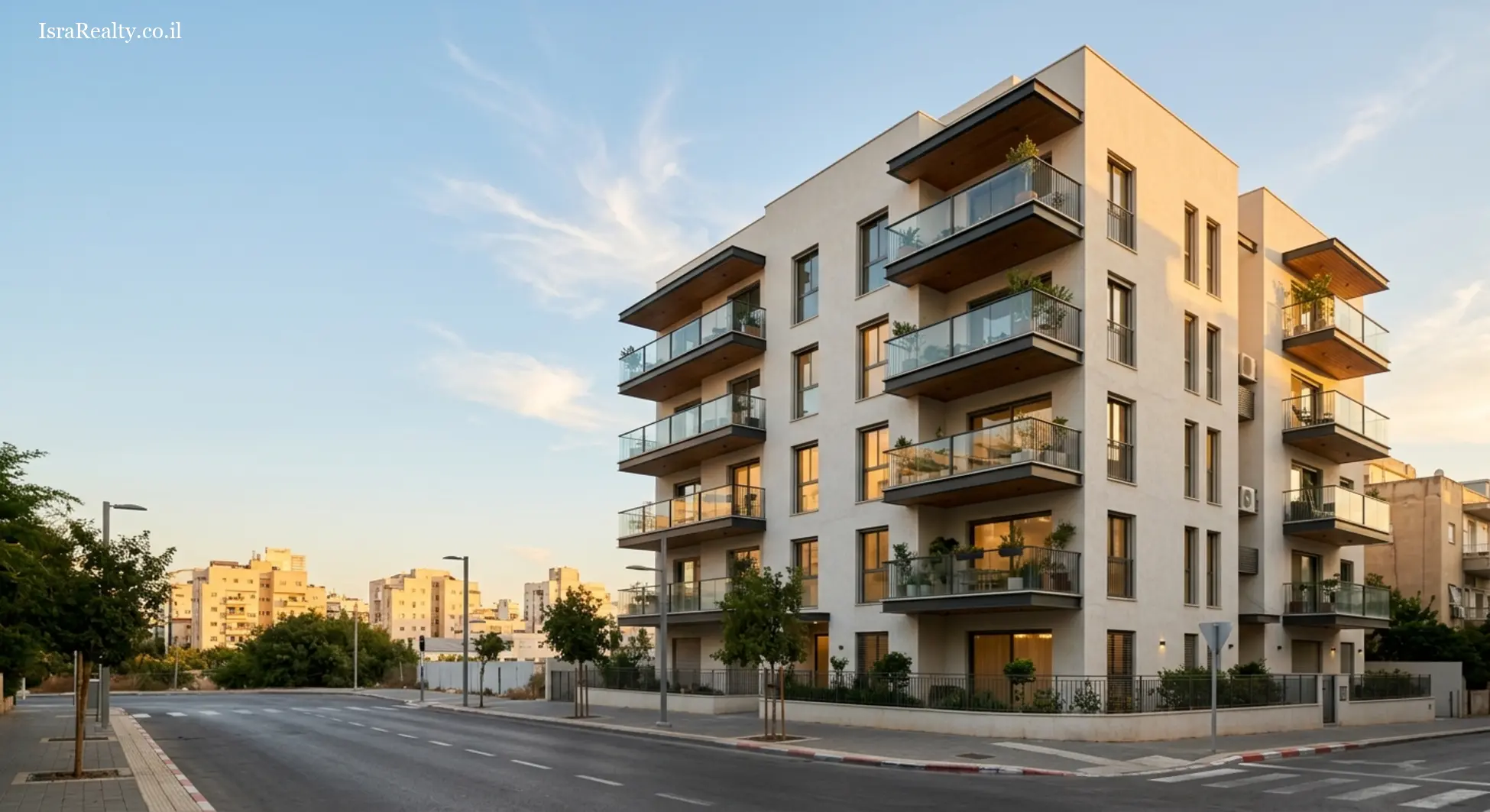
Investing in Israeli Real Estate
IsraRealty Team
Real Estate Market Analysis Department
Investing in Israeli real estate provides stable income and capital growth. The market is protected by high demand and a transparent registration system in the Tabu, which minimizes investor risks. Despite global economic fluctuations, the country's residential sector demonstrates resilience, driven by a shortage of supply and constant population growth.
- High liquidity: An apartment in sought-after areas remains an asset that is easy to sell or rent out.
- Legal security: The Tabu system guarantees state registration of ownership rights, eliminating the possibility of double sales.
- Capitalization potential: Renovation projects (TAMA 38 and Pinui Binui) allow for a significant increase in the property value without direct construction investment by the owner.
The Israeli real estate market: why investors choose this region
The Israeli real estate market is traditionally considered a "safe haven" for capital. The primary driver of price growth is the limited land supply and difficulties in obtaining building permits, which creates a chronic housing shortage. Investments in Israeli properties are geared both toward generating passive rental income and long-term market value appreciation.
It is important for investors to understand the demand structure. Israel has a high proportion of young population, which sustains constant interest in renting apartments in business activity centers. Additionally, the state is actively investing in transport infrastructure, which increases the investment attractiveness of Tel Aviv's satellite cities.
Core investment strategies
The choice of strategy depends on the investor's goals, planning horizon, and available capital. In 2024–2026, three main directions stand out:
- New construction (Pre-sale): Buying an apartment at the initial stage of construction. The main profitability is formed by the price difference between the "foundation pit" stage and project completion.
- Secondary housing for renovation: Purchasing real estate in buildings included in TAMA 38 programs. After completion, the investor receives an upgraded property with a larger area, a reinforced foundation, and modern finishes.
- Rental income: Purchasing ready-to-use properties in major cities (Tel Aviv, Haifa, Jerusalem) for long-term or short-term rental.
Taxation and financial nuances
An important aspect of the transaction is the purchase tax — Mas Rechisha. Its amount depends on the buyer's status (resident or non-resident) and the property's value. For non-residents and owners of multiple apartments, rates are generally higher, which must be considered when calculating return on investment.
Mortgage lending, or mashkanta, remains an available tool for scaling investments. Israeli banks offer various lending programs, although terms for investors may differ from those for individuals purchasing a primary residence.
| Property Type | Entry Threshold | Risks | Expected Return |
|---|---|---|---|
| New construction (center) | High | Delays in timelines | Capital appreciation |
| Secondary (TAMA 38) | Medium | Project cancellation | High (post-renovation) |
| Commercial real estate | Variable | Vacancy rates | Stable rental income |
Planning a purchase but don't know where to start? Our experts will help conduct a full legal property check and select the optimal investment strategy, taking tax benefits into account.
Investment locations: Tel Aviv and suburbs
Tel Aviv remains the most expensive and liquid city in the country. Real estate investments here are focused on the premium segment and high demand from expats and IT-sector employees. However, due to the high entry threshold, many investors are looking at neighboring cities.
Bat Yam and Rishon LeZion are attractive due to their proximity to the sea and the development of light rail lines. The investment profile of these cities is shifting toward quality business-class housing, which ensures stable rental income.
Frequently Asked Questions
What is Tabu registration?
Tabu is the state real estate registry in Israel. An entry here is the final confirmation of ownership rights. Before purchasing, checking the Tabu extract (Nusach Tabu) is mandatory to confirm the absence of liens or encumbrances.
What kind of rental yields can be expected in Israel?
On average, returns from residential real estate range from 2.5% to 5% per annum. Net yield depends on the city, property type, and the necessity of paying taxes on rental income.
Can a foreigner get a mashkanta in Israel?
Yes, non-residents can obtain a mortgage from Israeli banks. Typically, the bank finances up to 50% of the property value for foreign citizens, provided the legality of income is confirmed.
How does the TAMA 38 program affect property value?
The TAMA 38 program involves seismic reinforcement of the building, adding an elevator, a balcony, and often an additional room. This increases the market value of the property by 15–30% without financial investment from the owner.
What is the Mas Rechisha tax for non-residents?
For non-residents (foreign investors), Mas Rechisha tax is usually calculated at a higher rate starting from the first shekel of the property's value. Exact rates depend on current tax legislation and the purchase price.
Begin your investment journey with professional guidance. We will find properties with maximum growth potential and handle all stages of the transaction.
Get a consultationConclusion
Investing in Israeli real estate is a reliable way to preserve and increase capital in the long term. Transaction success depends on careful verification of the property's legal status, choosing the right city, and understanding tax obligations. Working with IsraRealty experts allows you to minimize risks and gain access to the market's most promising offers, including off-market properties.
Disclaimer: This material is for informational purposes only and does not constitute individual investment or financial advice. Consult with a lawyer and tax professional before making any real estate purchase decisions.
Last updated: 2026-04-11T08:00:35.205+03:00
Need targeted options?
Find properties for this scenario
Leave a request and we will build a shortlist by area, budget, and property type without a public listing grid.
Get Property ShortlistMore articles on this topic
An editorial selection on market context, locations, and purchase scenarios.


April 12, 2026
Real Estate Investment in Israel: A Guide to Purchasing and Yield
Planning to invest in Israeli real estate? Learn how to choose a high-yield property, obtain a mortgage, and navigate the Tabu verification process with IsraRea
Read article
April 10, 2026
Rent-to-Own in Israel: How to Buy an Apartment Advantageously | IsraRe
Rent-to-own in Israel: How to purchase an apartment while locking in the price. Full legal support, Tabu verification, and mortgage arrangement from IsraRealty.
Read article