Articles
Buying a 3-Room Apartment in Israel: A Family Guide | IsraRealty
We help you buy a 3-room apartment in Israel. Tabu verification, Mashkanta calculation, 0% commission on new builds. Full legal support for families.
V
Viola Goldberg
- March 22, 2026
- 6 min reading time
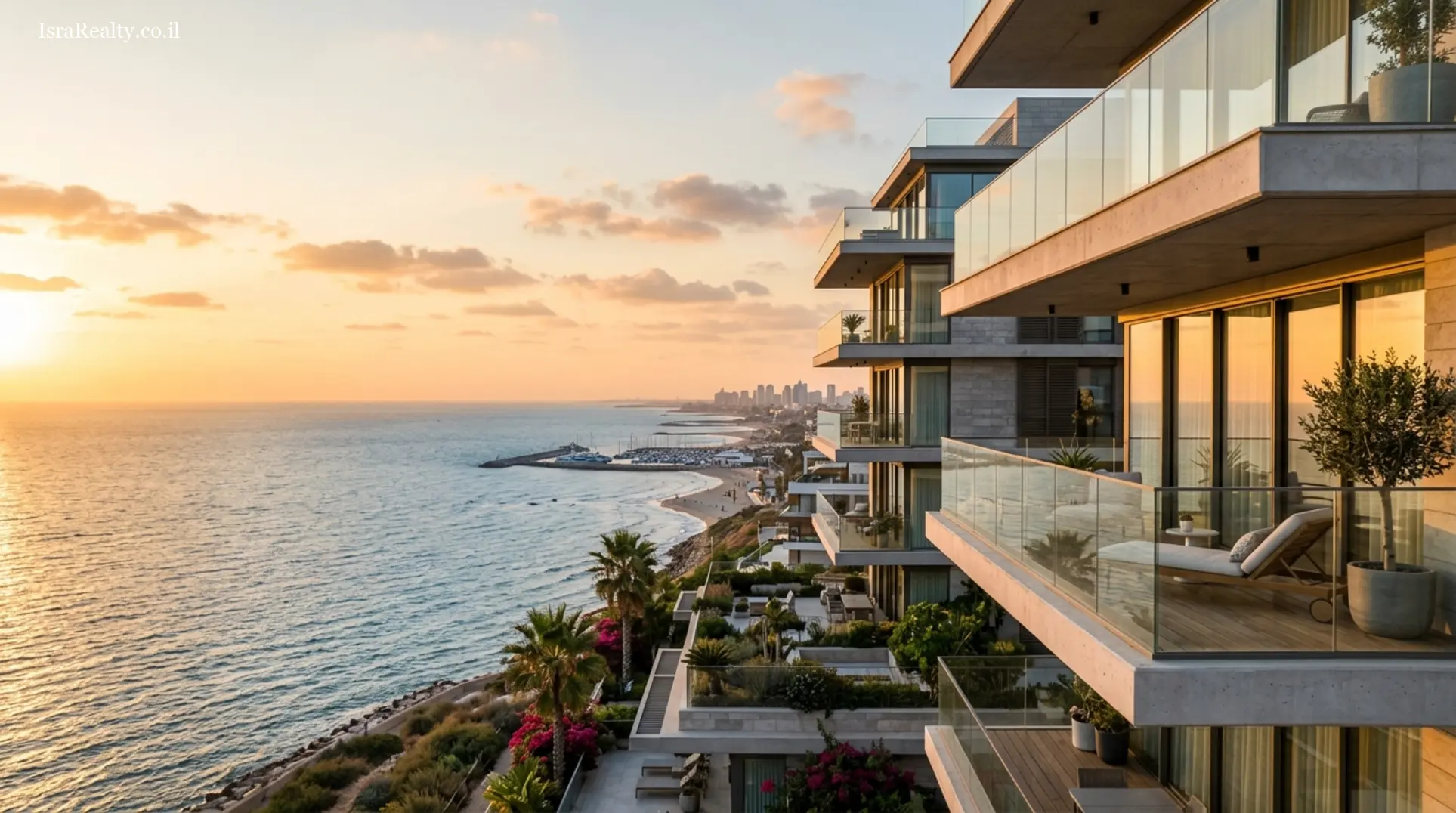
Buying a 3-Room Apartment in Israel for Families
IsraRealty TeamReal Estate Analytics Department
Purchasing a 3-room apartment in Israel is a strategic choice for young families and couples seeking a balance between comfort and budget. In the Israeli room-counting system, a "3-room apartment" means two bedrooms and one living room (salon), making it an ideal starter home. Making the right choice requires in-depth analysis of the neighborhood, legal verification in the Tabu (Land Registry), and precise mortgage (Mashkanta) planning.
- Layout: In Israel, a 3-room apartment consists of 2 bedrooms and a salon; families with two children often consider 4-room options (3 bedrooms).
- Financial Threshold: For first-time home buyers in 2026, discounted Purchase Tax (Mas Rechisha) brackets remain in place, significantly reducing the burden on the family budget.
- Location: Family-friendly neighborhoods in commuter towns (Bat Yam, Netanya, Petah Tikva) offer developed infrastructure at a more affordable price per square meter compared to Tel Aviv.
- Legal Security: Verifying the Tabu record and ensuring there are no encumbrances is a critical step before signing a contract.
Features of the 3-room apartment market for families
Real estate in Israel is classified by the number of living rooms, including the salon. A 3-room apartment typically has a total area of 65 to 85 sq. m. For a family, this means having a master bedroom and a children's room, or an office. When choosing, keep in mind that modern new builds often feature compact layouts, while secondary market properties from the 80s may have larger rooms.
An important aspect is the presence of a "Mamad" (a reinforced security room). In new buildings, this is a mandatory standard that increases family safety. In the secondary market, apartments without a Mamad may be cheaper, but they require a risk and future liquidity assessment.
Choosing a neighborhood: where is best for a family?
The choice of neighborhood determines not only the price but also the quality of daily life: proximity to kindergartens, schools, parks, and transportation hubs. For family buyers, the investment potential of a neighborhood goes hand-in-hand with its social environment.
Popular cities for buying your first apartment
- Netanya: Attracts families with its proximity to the sea, developed Russian-speaking communities, and modern neighborhoods such as Ir Yamim or Agamim.
- Bat Yam: Following the launch of the light rail, the city has essentially become an extension of Tel Aviv while maintaining more affordable prices on secondary housing.
- Haifa: Offers a unique combination of mountain air, the sea, and developed IT infrastructure. Neighborhoods on the Carmel are traditionally considered the most prestigious for families with children.
- Ashdod: A city with wide avenues, excellent beaches, and a high concentration of educational institutions.
| Region / City | Development Type | Family Infrastructure | Investment Profile |
|---|---|---|---|
| Center (Bat Yam, Rishon) | Mixed (Pinui-Binui) | High accessibility to malls and transport | Stable value growth |
| North (Haifa, Netanya) | Modern residential complexes & older stock | Many parks, proximity to the sea | High rental demand |
| South (Ashdod, Beersheba) | Spacious new builds | New schools and campuses | Affordable entry threshold |
Choosing the perfect layout and neighborhood is just the beginning. IsraRealty specialists will help you conduct a deep audit of your chosen property, check its status in government registries, and help optimize the tax burden when purchasing your first apartment.
Taxes and additional expenses
Buying an apartment involves expenses that can amount to 10-15% of the property value. The main tax is Mas Rechisha (Purchase Tax). For families buying their only apartment, significant discounts apply. If the apartment price does not exceed a state-determined threshold, the tax can be zero or minimal.
Main expense items:
- Lawyer fees: Usually 0.5% – 1% + VAT. A lawyer in Israel is a key figure responsible for verifying the integrity of the transaction.
- Real estate agent fees: In the secondary market, the standard is 2% + VAT. When buying a new build, the developer's commission is often absent for the buyer.
- Property appraisal (Shmaut): Necessary for obtaining a Mashkanta so the bank can confirm the market value of the collateral.
- Vaad Bayit and Arnona: Monthly payments for building maintenance and municipal tax. In new buildings with elevators and underground parking, the Vaad Bayit can be significantly higher.
Transaction stages and Mashkanta processing
The real estate buying process in Israel is strictly regulated. It is important for a family to understand the sequence of actions to avoid losing a deposit and to get bank approval under favorable conditions.
Buyer's checklist:
- Preliminary approval (Ishur Ekroni): Obtaining bank consent for a mortgage (Mashkanta) before signing the contract.
- Legal due diligence: The lawyer requests an extract from the Tabu (Land Registry) or the Israel Land Authority to ensure there are no attachments or liens.
- Contract signing: The main document, setting the payment schedule and the date of key handover.
- Registration of a cautionary note (He'arat Azhara): Protects the buyer's rights immediately after the first payment.
- Finalizing the Mashkanta: Final selection of the loan components (interest rates, CPI linkage) and transfer of funds to the seller or developer.
Financing of up to 75% of the value of a first apartment is available to families. It is important to consider that the monthly payment should not exceed 35-40% of the family's net income for the bank to consider the transaction safe.
Are you planning to buy a 3-room apartment and want to be sure of the transaction's legal clarity? Our experts will find the best market offers and take care of all stages — from Tabu verification to receiving your keys.
Get a consultationFrequently Asked Questions
What is the difference between a 3-room and 4-room apartment for a family?
A 3-room apartment has 2 bedrooms and 1 living room. This is suitable for families with one child. If there are two children or an expansion is planned, experts recommend 4-room apartments (3 bedrooms), as the price difference is often compensated by long-term comfort.
Do I have to pay Mas Rechisha when buying my first apartment?
In Israel, there are discounted tax brackets for first-time home buyers. Up to a certain amount (adjusted annually in January), the tax is 0%. Above that threshold, tax is only applied to the difference according to a progressive scale.
What is the Tabu and why is it needed?
Tabu is the national real estate registry. An entry in the Tabu confirms that you are the legal owner of the property. Checking the Tabu extract before a deal is mandatory to reveal any liens or legal restrictions.
Can I buy an apartment in a new building without a commission?
Yes, when buying directly from a developer, the buyer usually does not pay a real estate agent's commission. However, it is important to have independent legal support, as the developer's lawyer represents the construction company's interests, not yours.
What is the minimum down payment required for a Mashkanta?
To purchase a first apartment in Israel, the minimum personal capital must be 25% of the property value. The bank can finance up to 75%.
Buying a 3-room apartment is not only about securing housing for your family but also a sound investment in the future. The Israeli market shows resilience to external factors, and the demand for high-quality family apartments in neighborhoods with good infrastructure remains consistently high. Careful preparation, Mashkanta calculation, and professional support will help make this process transparent and secure.
Disclaimer: This material is for informational purposes only and does not constitute legal or financial advice. Tax parameters and bank interest rates may change. Consultation with IsraRealty specialists is recommended for decision-making.
Updated: 2026-03-22
Need targeted options?
Find properties for this scenario
Leave a request and we will build a shortlist by area, budget, and property type without a public listing grid.
Get Property ShortlistMore articles on this topic
An editorial selection on market context, locations, and purchase scenarios.