Articles
Apartments after TAMA-38 in Israel: A 2024 Buyer's Guide
Planning to buy an apartment in a building after TAMA-38? Learn everything about the pros, risks, construction quality, and liquidity of renovated housing in Is
V
Viola Goldberg
- June 24, 2026
- 6 min reading time
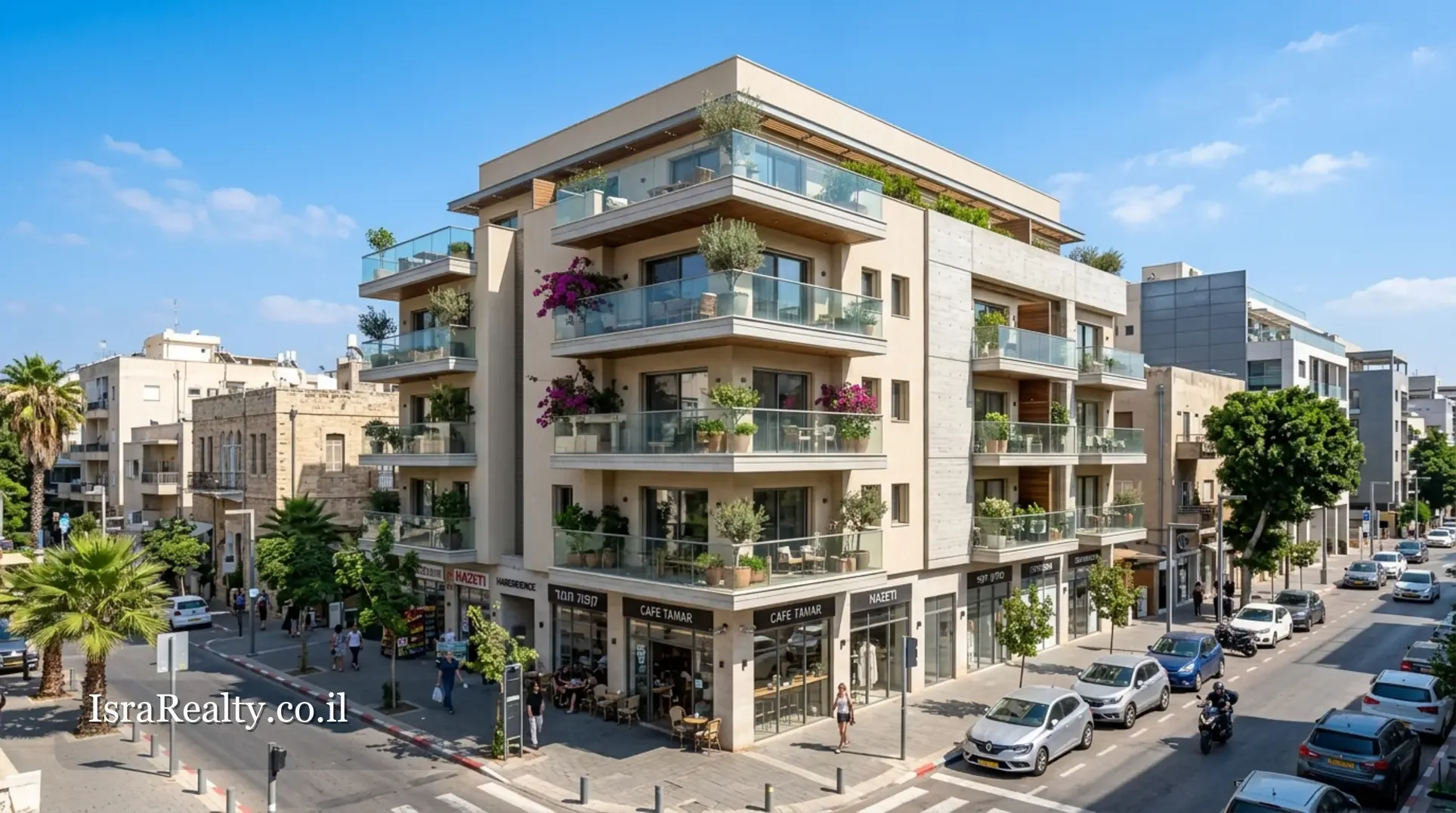
Buying an apartment in a building after TAMA-38 is an opportunity to acquire a home with modern features (MAMAD, balcony, elevator, parking) in an established neighborhood with developed infrastructure. Key advantages include seismic resistance, updated utilities, and an increase in the property's market value. However, it is important to consider the risks: the quality of finishing work can vary, and the building density in the area may increase. When choosing a property, it is critical to check the contractor's reputation, the presence of all occupancy permits (Tofes 4), and the compliance of the actual layout with the project documentation. Such apartments are a liquid asset, as they combine the advantages of a new build with a location where vacant land for construction is virtually non-existent.
- TAMA-38 significantly increases the market value and liquidity of the old housing stock in Israel.
- The presence of "Tofes 4" (occupancy permit) is a mandatory condition for a secure transaction.
- Checking the quality of building materials and the condition of utility networks is critical, as the renovation affects not only the addition but also the old frame.
- An increase in the number of residents in the building can lead to pressure on parking and common areas, despite the availability of new parking spaces.
Term: TAMA-38 is an Israeli government program for strengthening residential buildings against earthquakes. As part of the program, contractors reinforce the building's frame, add new apartments (via rooftop additions or extensions), and in return, receive the right to build and sell additional space, providing residents with building upgrades, new elevators, balconies, and protected rooms (MAMAD).
Advantages and Features of Renovation under the TAMA-38 Program
The renovation of buildings in Israel through the TAMA-38 program has changed the face of many cities. For a buyer, this is a chance to get a "new life" in an old, time-tested neighborhood. The main value of such properties lies in the combination of developed infrastructure (schools, parks, transport) with modern standards of comfort.
What an apartment owner gets after TAMA-38:
- Seismic resistance: Strengthening of the foundation and load-bearing structures of the building.
- Safety: Presence of a MAMAD (protected room), which is a mandatory requirement for new apartments.
- Comfort: Installation of a modern elevator, expansion of entrances, and landscaping of the surrounding area.
- Additional space: The project often includes the construction of balconies and the expansion of existing living spaces.
Comparison of Housing Formats in Israel
The choice between old stock, a renovated building, and a new build depends on your priorities regarding budget and comfort.
| Criterion | Old Stock | TAMA-38 | New Build |
|---|---|---|---|
| Seismic resistance | Low | High | Maximum |
| Presence of MAMAD | Rarely | Yes | Yes |
| Parking | Problematic | Partially solved | Usually available |
| Cost | Low | Medium/High | High |
| Construction delay risks | None | Medium | Low |
Risks When Buying an Apartment in a Building After TAMA-38
Despite the obvious pros, the Israeli real estate market requires caution. Buying an apartment in a building that has undergone renovation involves a number of specific risks that must be assessed before signing a contract.
What to pay attention to during inspection:
- Quality of construction work: Renovation is always a compromise between the old and the new. Check the condition of utility networks (pipes, electrical wiring), which may not have been completely replaced.
- Legal status: Ensure that all changes in the Tabu (Land Registry) are registered correctly.
- Building density: An increase in the number of apartments in the building creates additional pressure on the neighborhood's infrastructure and common areas.
- Warranty obligations: Clarify who is responsible for hidden defects after the project is completed.
Liquidity and Investment Potential
Apartments in buildings after TAMA-38 in Israel demonstrate high liquidity. In conditions of land scarcity in the center of the country (Gush Dan, Jerusalem, Haifa), such properties remain in demand among both tenants and buyers. Investors value them for the opportunity to acquire an asset that has already passed the "construction noise" stage and is ready for occupancy.
Factors affecting liquidity:
- Proximity to public transport (especially light rail/metro lines).
- Quality of finishing materials used during renovation.
- Presence of a deeded parking space.
- Reputation of the development company that carried out the work.
Steps for Inspecting a Property Before Purchase
To minimize risks, we recommend following this checklist when choosing an apartment:
- Request an extract from the Tabu (Land Registry) to verify ownership rights.
- Ensure the presence of "Tofes 4" (occupancy permit).
- Check the compliance of the apartment layout with the approved architectural plan.
- Review the engineer's report on the condition of load-bearing structures.
- Consult with a real estate attorney regarding warranty periods from the contractor.
Frequently Asked Questions
What is "Tofes 4" and why is it important when buying a TAMA-38 property?
"Tofes 4" is the official permit for connecting a building to utility services (water, electricity, gas). Without this document, living in the building is illegal, and property insurance may be invalid.
What is the difference between TAMA-38/1 and TAMA-38/2 (Pinui-Binui)?
TAMA-38/1 involves strengthening the existing building and adding floors. TAMA-38/2 (often transitioning into the Pinui-Binui format) involves demolishing the old building and constructing a new one in its place.
Does TAMA-38 affect the municipal tax (Arnona)?
Yes, an increase in the apartment's area and improvements to the building's features usually lead to a revision of the Arnona amount upwards, in accordance with municipal rates.
How can I check the quality of construction work in a renovated building?
It is recommended to hire an independent inspector (civil engineer) who will examine the apartment and common areas for hidden defects, cracks, or waterproofing issues.
Is there a warranty for hidden defects in buildings after TAMA-38?
Yes, under Israeli law, the contractor is responsible for defects during the statutory warranty periods. However, it is important to have a contract in hand that clearly outlines the obligations of the parties.
Is it worth buying an apartment if the TAMA-38 project is still in progress?
This involves high risks (delays, noise, dust). If you decide to take this step, you must thoroughly check the developer's financial stability and the availability of bank guarantees (arvut chok mecher).
Information is current as of 2024. Data is based on general principles of Israeli legislation. For legally significant decisions, be sure to consult with an attorney specializing in real estate in Israel. IsraRealty is not responsible for actions taken based on this article.
Want to learn more about specific neighborhoods or TAMA-38 projects? Subscribe to our newsletter to receive the latest market reviews on Israeli real estate.
Planning to buy an apartment? IsraRealty experts will help you inspect the property and conduct the transaction safely. Contact us for a consultation.
Need targeted options?
Find properties for this scenario
Leave a request and we will build a shortlist by area, budget, and property type without a public listing grid.
Get Property ShortlistMore articles on this topic
An editorial selection on market context, locations, and purchase scenarios.