Articles
Mortgage (Mashkanta) in Israel 2026: Guide to Interest Rates and Banks
Learn everything about mortgages (mashkanta) in Israel for 2026. IsraRealty experts help calculate interest rates (ribit) and provide legal support. Get bank ap
V
Viola Goldberg
- February 28, 2026
- 5 min reading time
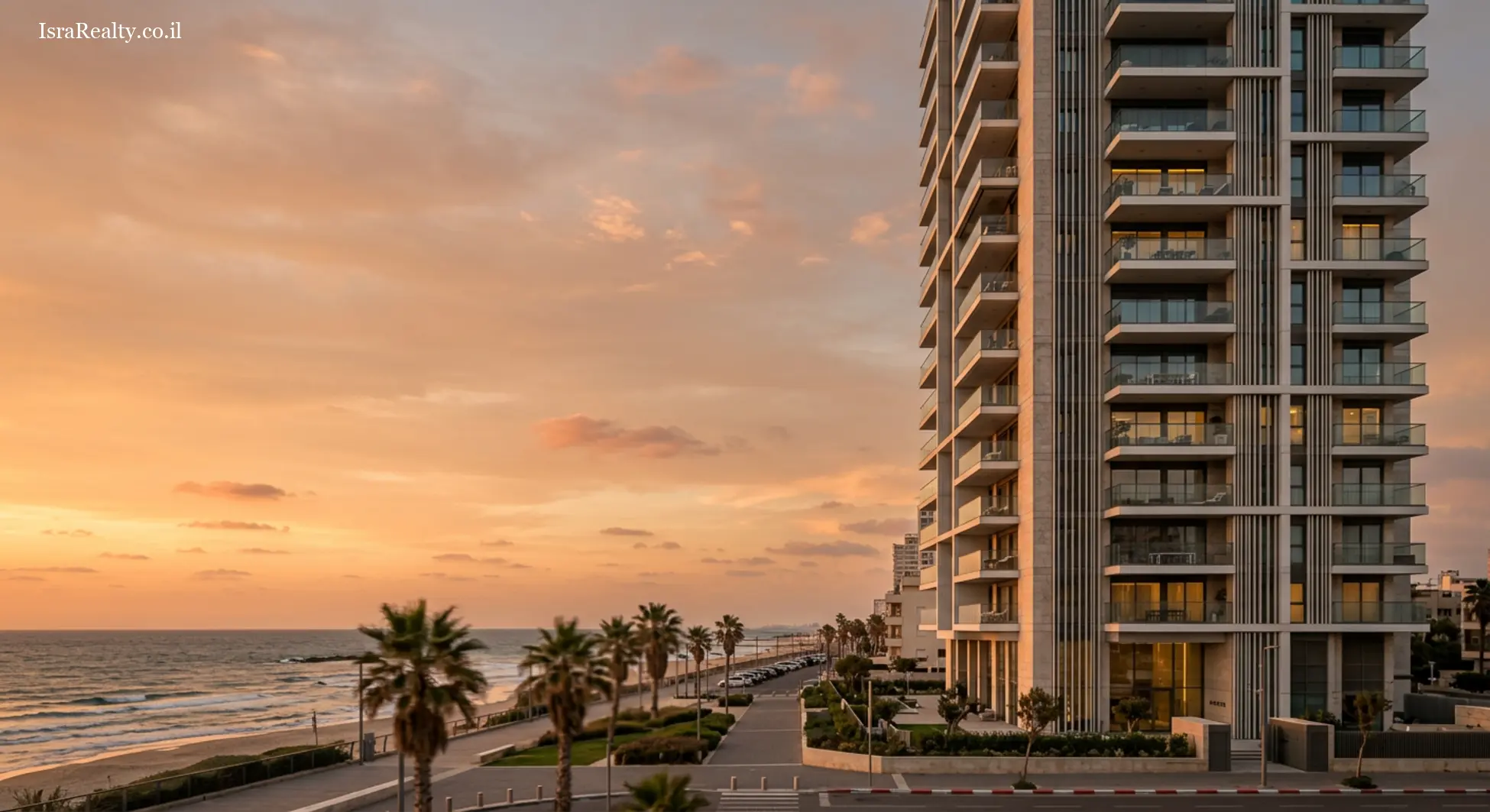
How to Get a Mortgage in 2026: A Full Guide to Interest Rate Types
To obtain a mortgage (mashkanta) in 2026, you must have at least 25% equity of the value of your first home. In practice, the current base interest rate in Israel remains at 4.5%, which directly affects the cost of the loan. For mortgage approval, the bank will require proof of income, where the monthly payment does not exceed 40% of the family's net earnings.
How Much Equity is Needed for a Mortgage?
The minimum amount of equity (down payment) in 2026 is 25% for a first apartment and 50% for investors. If you are buying an apartment for ₪2,000,000, you need to have at least ₪500,000 on hand plus additional funds for associated costs (taxes, realtor, lawyer).
- First-time purchase (individuals or families): 25%.
- Housing upgrades (selling an old one and buying a new one): 30%.
- Investment property: 50%.
- New immigrants (Olim Hadashim): in certain cases, the possibility of additional financing through funds.
IsraRealty clients often use a "mortgage against existing property" to cover capital shortfalls when buying a second apartment. This allows for investment in Israel without withdrawing working capital from business.
Main Types of Interest Rates (Ribit) in 2026
The structure of a mortgage in Israel consists of several "tracks" (maslulim) that minimize the borrower's risks. The Bank of Israel limits the share of variable rates to protect the market from sharp payment spikes during rising inflation.
1. Prime
A rate tied to the Bank of Israel's base rate. It is considered the most transparent, as there are usually no penalties for early repayment. In 2026, many borrowers aim to maximize the Prime share in their portfolio in anticipation of rate cuts.
2. Fixed Linked (Kvua Tzmuda)
The interest rate is fixed for the entire term, but the remaining debt is adjusted monthly based on the Consumer Price Index (Madad). This can result in the principal amount in shekels growing faster than you are paying it off.
3. Fixed Unlinked (Kvua Lo Tzmuda)
The safest but also the most expensive track. Your payment is insured against inflation and central bank decisions. We recommend this option for families with a tight budget.
| Rate Type | CPI Linkage (Madad) | Payment Change Risk | Early Exit Penalty |
|---|---|---|---|
| Prime | No | High | Almost none |
| Fixed Unlinked | No | Zero | Potentially high |
| Variable (every 5 years) | Yes/No | Medium | Low at exit points |
How the Consumer Price Index (Madad) Affects Your Debt?
The Price Index (Madad) directly increases the loan principal in "linked" tracks, which can add tens of thousands of shekels per year to your debt. Based on our experience, with inflation at 3% per annum, a mortgage of ₪1,000,000 "becomes more expensive" by ₪30,000 solely due to indexation, even if you have paid the interest regularly.
"In 2026, it is critically important to balance between cheap linked tracks and the stability of Fixed Unlinked rates. A mistake in the portfolio structure can cost a client the price of an entire car over a 20-year loan period." — Senior Mortgage Broker, IsraRealty
For current interest rate statistics, visit the official Bank of Israel section.
Case Studies from IsraRealty Practice
- Netanya, 4-room apartment: A family of new immigrants received mortgage approval for 75% of the value. We helped reduce the rate on the "Variable" track by 0.4% by conducting a tender between Leumi and Hapoalim banks. Total savings — ₪84,000 over a 25-year period.
- Tel Aviv, Investment (Pre-sale): An investor purchased a property at the excavation stage. IsraRealty specialists ensured legal clarity and mortgage broker support, securing a payment deferral (Grace period) for the construction duration.
What Documents are Needed for Mortgage Approval?
To obtain an "Ishur Ikroni" (pre-approval), you will need to provide the bank with income statements for the last 3 months. If you are an employee, this is a "tlush maskoret"; if you are an entrepreneur, a certificate from an auditor (roeh cheshbon).
- Identity Card (Teudat Zeut).
- Bank statements (dapey cheshbon) for the last 3 months.
- Proof of equity funds.
- Credit history report (BDI).
- For the secondary market — an extract from Tabu to check for the absence of liens.
Need a Mortgage on Favorable Terms?
We don't just find real estate. We secure the best rates for you in Israeli banks and accompany the transaction until registration in the Tabu. Get a free calculation of your mortgage and a selection of properties within your budget right now!
Submit a request for consultation
Frequently Asked Questions
Can I get a mortgage if I work abroad?
Yes, Israeli banks provide loans to foreign residents and new immigrants receiving income abroad, but they usually require a larger down payment (from 50%) and additional proof of income.
What is "shmaut" and why does the bank need it?
Shmaut is a property appraisal by a licensed appraiser. The bank issues the loan based on the appraised value of the property, not the price in the contract. If the appraiser values the apartment lower, you will have to cover the difference from your own funds.
Can I change mortgage terms after a few years?
Yes, this is called "michzur" (refinancing). If market rates have dropped, you can revise the loan structure to reduce the monthly payment or the mortgage term.
Does having children affect the mortgage amount?
Not directly, but it is indirectly considered by the bank when calculating your disposable income. However, under the "Mehir Matra" program, having children provides additional points for subsidized loans.
Is mortgage insurance mandatory?
Yes, life insurance for the borrowers and property (building) insurance are mandatory requirements for any Israeli bank to issue a mortgage.
Need targeted options?
Find properties for this scenario
Leave a request and we will build a shortlist by area, budget, and property type without a public listing grid.
Get Property ShortlistMore articles on this topic
An editorial selection on market context, locations, and purchase scenarios.

April 29, 2026
New Developments by the Sea in Israel: Buy an Apartment on the First L
Looking for an apartment on the first line in Israel? IsraRealty experts will help you choose a new development, check the property in the Tabu, and arrange a m
Read article
April 28, 2026
Buying an apartment in Israel at the off-plan stage: tips for investor
Buying an apartment off-plan in Israel? Full legal support, Tabu verification, and mortgage assistance. Invest in real estate reliably with IsraRealty.
Read article