Articles
Real Estate in Israel for Repatriates: Benefits and Mashkanta 2024
Buy property in Israel profitably: discounted mortgage for Olim Chadashim, reduced Purchase Tax (Mas Rechisha), and legal transaction support from the IsraRealt
V
Viola Goldberg
- March 13, 2026
- 5 min reading time
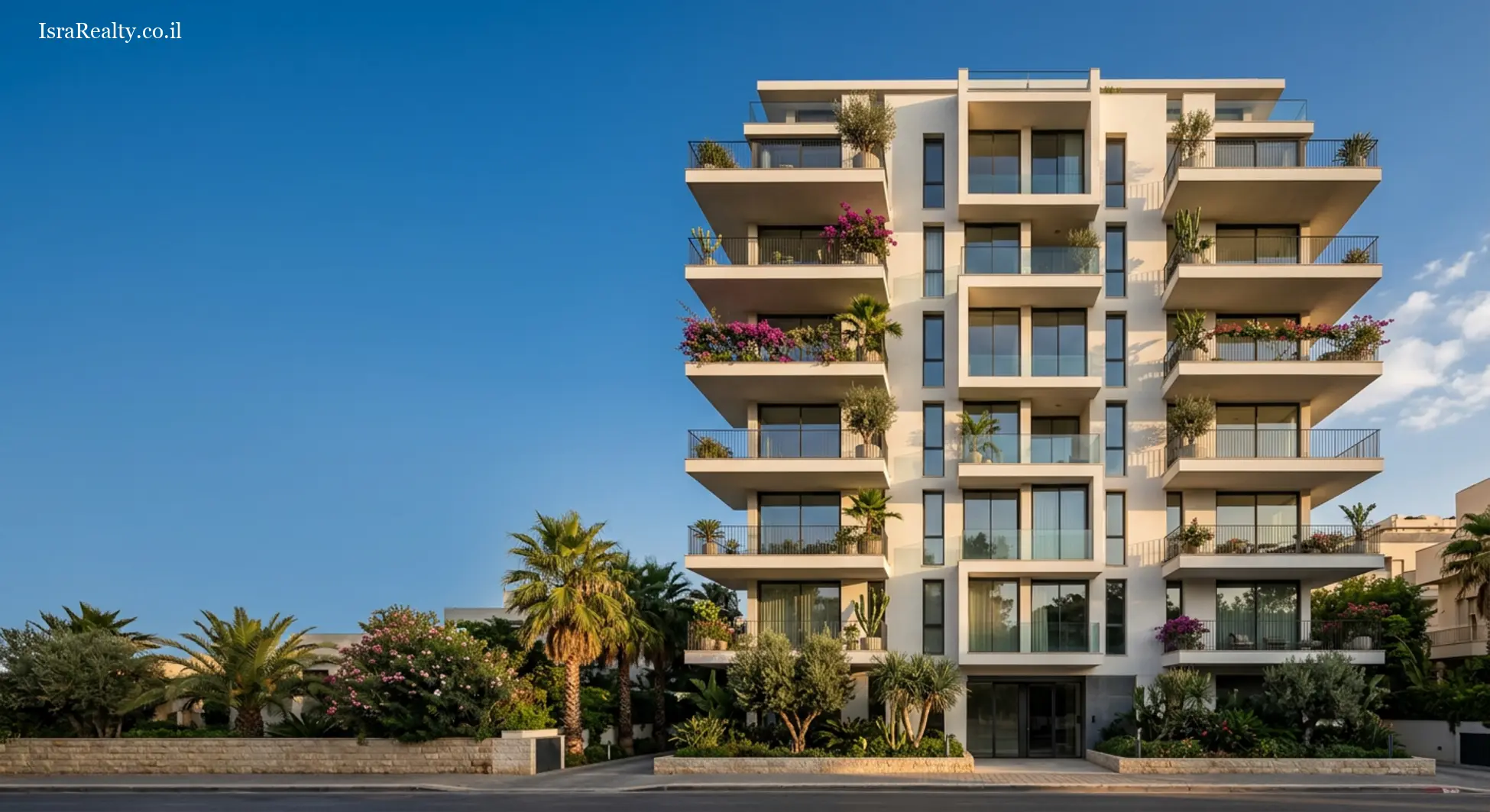
Buying Real Estate in Israel for Repatriates: Benefits and Opportunities
IsraRealty Team
Real Estate Analytics Department
Repatriation to Israel (Aliyah) provides access to unique state benefits when buying a home, allowing for significant savings on taxes and mortgage loans. New immigrants (Olim Chadashim) are entitled to a reduced Purchase Tax (Mas Rechisha), subsidized mortgage (Mashkanta Zakaut), and municipal tax (Arnona) discounts. The direct answer to the main question: benefits are valid for a limited period after receiving status and require proper documentation at every stage of the transaction.
- Reduced Tax: Repatriates pay a minimum Mas Rechisha when buying a home within 7 years of receiving status.
- Subsidized Mortgage: The state-backed Mashkanta is calculated using a point system and often features a fixed rate lower than market levels.
- Municipal Benefits: An Arnona discount is granted once during the first 24 months of living in the country.
- Legal Protection: When buying new or resale property, verifying the record in the Tabu (Land Registry) is critical.
Purchase Tax Benefits (Mas Rechisha)
Mas Rechisha is a tax paid by real estate buyers in Israel. For citizens, rates depend on whether the apartment is their sole or additional property. However, special rules approved by the Tax Authority apply to repatriates.
Basic conditions for applying the benefit:
- Validity Period: The benefit can be used within 7 years from the date of repatriation.
- Intended Use: The apartment must be used for the residence of the repatriate or their family.
- Number of Transactions: The benefit is granted for the purchase of one residential property.
It is important to note that if the purchase is made jointly (e.g., by spouses where one is not a repatriate), tax calculations may require professional consultation to optimize payments.
Mashkanta for Olim Chadashim: Point System and Subsidies
The Israeli Ministry of Construction grants repatriates the right to a subsidized portion of their mortgage. Unlike a standard bank Mashkanta, whose terms depend on the bank's commercial policy, the "Mashkanta Zakaut" (mortgage by entitlement) is regulated by the state.
How is the benefit calculated?
The subsidized loan amount is determined by a point system (nekudot). The more points a family accumulates, the higher the subsidized loan amount. Points are awarded based on the following criteria:
- Number of years since repatriation.
- Number of children in the family.
- Number of siblings of each spouse (Israeli citizens).
- Completion of service in the Israel Defense Forces (IDF) or national service.
The interest rate for such a Mashkanta is usually fixed and can be more favorable than market offers during periods of high inflation. The repayment period can be up to 25–30 years.
Comparison of Conditions for Repatriates and General Buyers
To understand the benefits, here is a table of the main differences when purchasing a first home.
| Parameter | General Buyer (first home) | New Repatriate (Oleh Chadash) |
|---|---|---|
| Mas Rechisha (Tax) | Progressive scale from 0% to 10% | Special reduced brackets (0.5% - 5%) |
| Mashkanta | Market terms only | Market terms + state subsidy |
| Arnona (Discount) | Generally none | Up to 90% on the first 100 sq.m (for 12 months) |
| Rights Validity | Indefinite (based on ownership status) | Limited (1–7 years depending on the benefit) |
Planning a purchase in Tel Aviv, Netanya, or Haifa? IsraRealty specialists will help calculate your Mashkanta points and verify the legal status of the property in the Tabu registry before you make your first payment.
Transaction Stages and Important Checks
Buying an apartment in Israel is a multi-stage process. For repatriates, it is complicated by the need to interact with the Ministry of Aliyah and Integration and the Ministry of Construction.
- Legal Due Diligence: Checking the record in the Tabu or the construction company's books. It is necessary to ensure there are no liens, pledges, or cautionary notes (aarat azara).
- Obtaining "Teudat Zakaut": This is a certificate confirming your entitlement to a subsidized mortgage. It is processed through mortgage banks.
- Purchase Agreement: In Israel, the buyer's lawyer and the seller's lawyer are different people. Your lawyer must exclusively represent your interests.
- Rights Registration: After full payment for the property, it is crucial to complete the process of transferring ownership rights in the registry.
When buying new construction, repatriates are often exempt from paying broker fees (if dealing directly with the developer), but they are required to pay the developer's attorney fees for registering rights.
Frequently Asked Questions
Can I use the tax benefit 10 years after Aliyah?
The standard validity period for the Mas Rechisha tax benefit for repatriates is 7 years. After this period, the tax calculation is conducted under general terms for Israeli residents.
Do I have to pay tax if this is my only apartment?
Israel has a "zero bracket" tax for a single apartment up to a certain amount. A repatriate can choose the most beneficial option: either the general benefit for single-home owners or the special benefit for Olim Chadashim.
How do I get an Arnona discount?
The discount is granted by municipal authorities (Iriya). You need to submit an application and a copy of your Teudat Oleh. The benefit is valid once for 12 months, which must fall within the first 24 months of the date of repatriation.
What is the minimum down payment for repatriates?
For first-time home purchases, Israeli banks usually require at least 25% of your own capital. However, the availability of a state-backed Mashkanta (Zakaut) can help structure the deal, although overall LTV (Loan-to-Value) limits remain the same.
What is Tabu and why is it important?
Tabu is the state registry of property rights. Registration in the Tabu is the supreme confirmation of ownership in Israel. Verifying the extract (nusach tabu) before the transaction is mandatory.
Need professional help in finding an apartment and managing your transaction in Israel? We will provide a full legal review and help you leverage all available benefits.
Get a ConsultationConclusion
The Israeli real estate market remains stable and attractive for investment despite global challenges. For repatriates, buying a home is not just a solution for housing, but an opportunity to capitalize on the benefits provided by the state. Success in a transaction depends on three factors: choosing the right location, accurately calculating financial burdens including the Mashkanta, and professional legal support.
Disclaimer: This material is for informational purposes only and does not constitute legal or financial advice. Tax rates and benefit rules are subject to change. It is recommended to verify current information on official Israeli government resources.
Last updated: 2026-03-13T08:00:42.063+03:00
Need targeted options?
Find properties for this scenario
Leave a request and we will build a shortlist by area, budget, and property type without a public listing grid.
Get Property ShortlistMore articles on this topic
An editorial selection on market context, locations, and purchase scenarios.

April 29, 2026
New Developments by the Sea in Israel: Buy an Apartment on the First L
Looking for an apartment on the first line in Israel? IsraRealty experts will help you choose a new development, check the property in the Tabu, and arrange a m
Read article
April 28, 2026
Buying an apartment in Israel at the off-plan stage: tips for investor
Buying an apartment off-plan in Israel? Full legal support, Tabu verification, and mortgage assistance. Invest in real estate reliably with IsraRealty.
Read article