Articles
Real Estate in Israel: How to Buy an Apartment and Obtain a Mashkanta
Planning to buy real estate in Israel? Full transaction support: from Tabu verification and purchase tax (Mas Rechisha) calculation to mortgage (Mashkanta) appr
V
Viola Goldberg
- March 12, 2026
- 5 min reading time

Real Estate in Israel: Purchasing and Transaction Support
Last updated: May 20, 2026
IsraRealty Team
Real Estate Market Analytics Department
Purchasing real estate in Israel requires a deep understanding of legal procedures, tax obligations, and the specifics of the local banking sector. To successfully buy an apartment in Israel, you must go through the stages of property verification in the Tabu, legal contract approval, and mortgage (Mashkanta) processing. The process is accompanied by mandatory reporting to tax authorities within 30 days from the moment of signing the contract.
- Legal Title: Verification of the record in the Tabu (Land Registry) or the Israel Land Authority (ILA) registry is a mandatory condition for transaction security.
- Tax Planning: Calculation of the purchase tax (Mas Rechisha) depends on the buyer's status (resident, foreign national, or owner of a single property).
- Financing: Preliminary Mashkanta (mortgage) approval is valid for 24 days, and banks are required to provide a response to a request within 5–7 business days.
- New Construction vs. Resale: Buying from a developer often allows for minimizing commission expenses, while secondary market housing requires more thorough technical and legal due diligence.
Main Stages of Buying Real Estate in Israel
A real estate transaction in Israel is a multi-step process where a lawyer plays a key role. Unlike in many other countries, lawyers here do not just process documents; they represent the interests of the parties in negotiations and are responsible for the legal integrity of the property.
1. Search and Preliminary Verification
At this stage, you choose a city and neighborhood. Properties in Tel Aviv, Netanya, and Haifa are popular. Simultaneously, a property check is conducted in the Tabu. If an apartment is not registered in the Land Registry, it may be listed in the records of a "Hevra Meshakenet" (management company) or the Israel Land Authority.
2. Legal Support and Contract
A purchase agreement is drawn up, fixing payment schedules, the handover date, and penalty conditions. An important element is the registration of a "warning note" (He'arat Az'ara) immediately after the first payment, which blocks any other actions regarding the property.
3. Financing and Mashkanta
For most buyers, a Mashkanta is the main tool. Banks assess creditworthiness and property value (via a certified appraiser/Shamay). Foreign citizens can also apply for a mortgage, but LTV (Loan-to-Value) conditions for them are usually stricter.
Taxes and Additional Expenses: Mas Rechisha
The primary tax when buying is Mas Rechisha. It is progressive. For residents buying their only home, there are reduced brackets, up to a full exemption for specific property values. Foreign investors and those buying a second home pay tax at higher rates from the first shekel.
In addition to the tax, one should consider:
- Lawyer fees (usually 0.5% – 1% + VAT).
- Property appraisal (Shamay) for the bank.
- Real estate agent commission (when purchasing on the secondary market).
- Life and property insurance for the Mashkanta.
Need help with tax calculations or checking a property in the Tabu? IsraRealty experts provide a detailed analysis of legal status and help optimize the deal structure to minimize Mas Rechisha.
Comparison: New Construction vs. Secondary Market
The choice between a developer property and a ready-made secondary market apartment depends on your goals: investment or personal living.
| Parameter | New Development | Resale |
|---|---|---|
| Commission | Often 0% when buying directly | Standard 2% + VAT |
| Guarantees | Apartment Buyers Protection Law | "As Is" condition, requires inspection |
| Move-in time | 1 to 4 years (waiting period) | Immediate or as per contract |
| Mashkanta | Payments may be linked to the price index | Fixed conditions from the moment of the deal |
Investing in Israeli Real Estate
Investment potential is determined by location. Tel Aviv remains the most expensive and liquid market. Netanya attracts investors due to its proximity to the sea and developed infrastructure for Olim (immigrants). Haifa is considered a promising city for long-term growth due to the development of technology clusters and the port.
When planning investments, it is important to consider:
- Price dynamics in specific neighborhoods.
- Potential for "Pinui-Binui" (urban renewal) projects.
- Mashkanta interest rates and their impact on profitability.
- Tax obligations upon future sale (Mas Shevach).
Frequently Asked Questions
Can I buy real estate in Israel remotely?
Yes, this is possible through a Power of Attorney (POA) certified by an Israeli consul or a notary with an apostille. In this case, the transaction support is handled entirely by your lawyer.
What is the Tabu?
The Tabu is the state registry of real estate rights. An entry in the Tabu is the highest legal confirmation of ownership in Israel.
How long does it take to process a Mashkanta?
Obtaining preliminary approval takes 5–7 business days. Full processing and transfer of funds usually take from several weeks to a month.
What is the benefit of commission-free new developments?
By buying a new apartment through the developer's official partners, you pay no brokerage fees while receiving full transaction support and access to pre-sale prices.
What documents are needed to verify an apartment in Israel?
You need an up-to-date Tabu extract (Nasach Tabu), verification of no liens (Mishkon), and confirmation of no municipal tax (Arnona) debts.
Are you planning to buy an apartment or house in Israel? We provide expert search, property inspection, and help in obtaining a Mashkanta on favorable terms.
Get a consultationDisclaimer: This material is for informational purposes only and does not constitute legal or financial advice. Tax parameters and bank rates may change. Consulting with a specialist is recommended.
Updated: May 2024
Need targeted options?
Find properties for this scenario
Leave a request and we will build a shortlist by area, budget, and property type without a public listing grid.
Get Property ShortlistMore articles on this topic
An editorial selection on market context, locations, and purchase scenarios.
May 1, 2026
Investing in New Real Estate in Israel: Top Districts and 2024 Prices
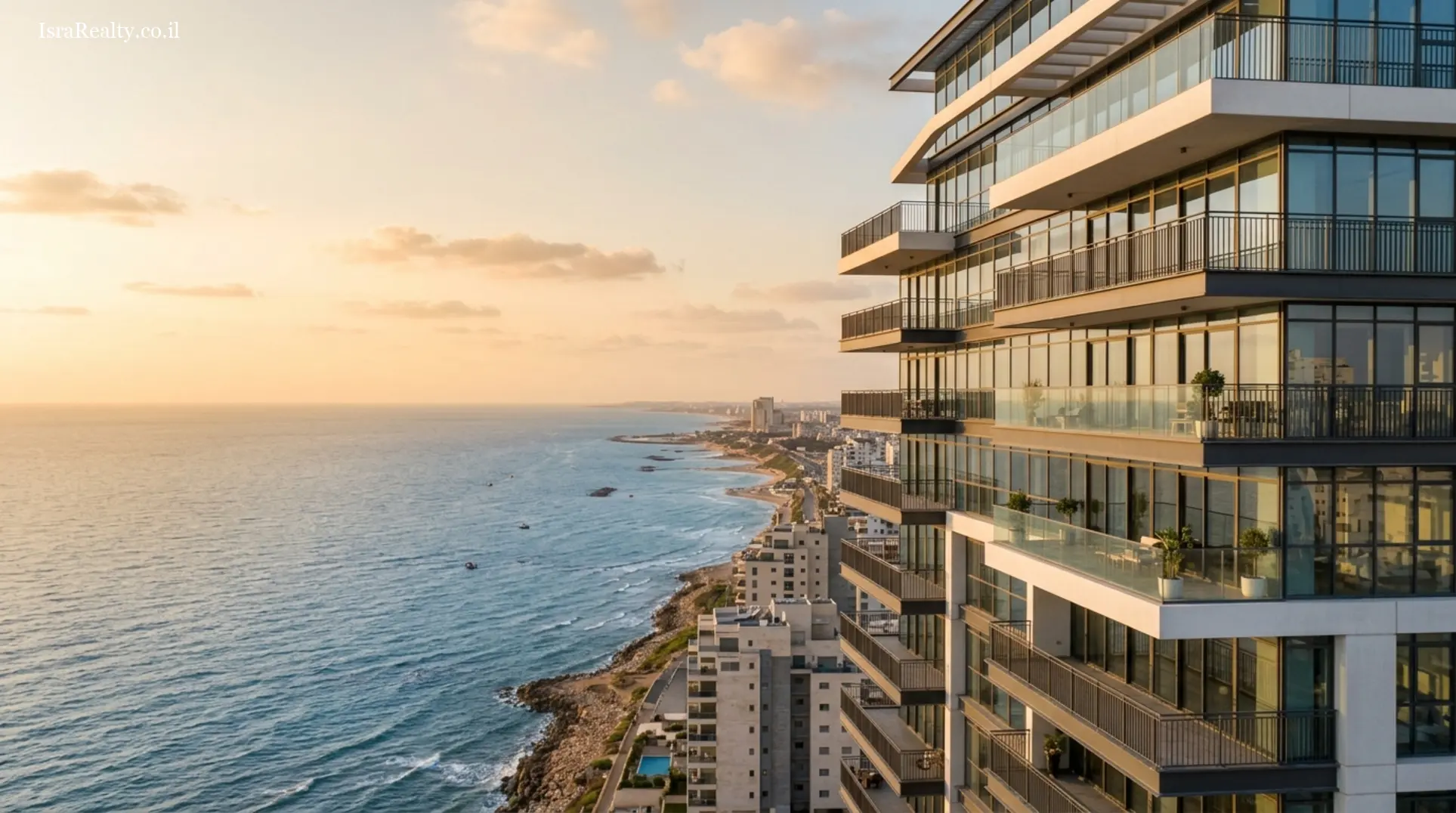
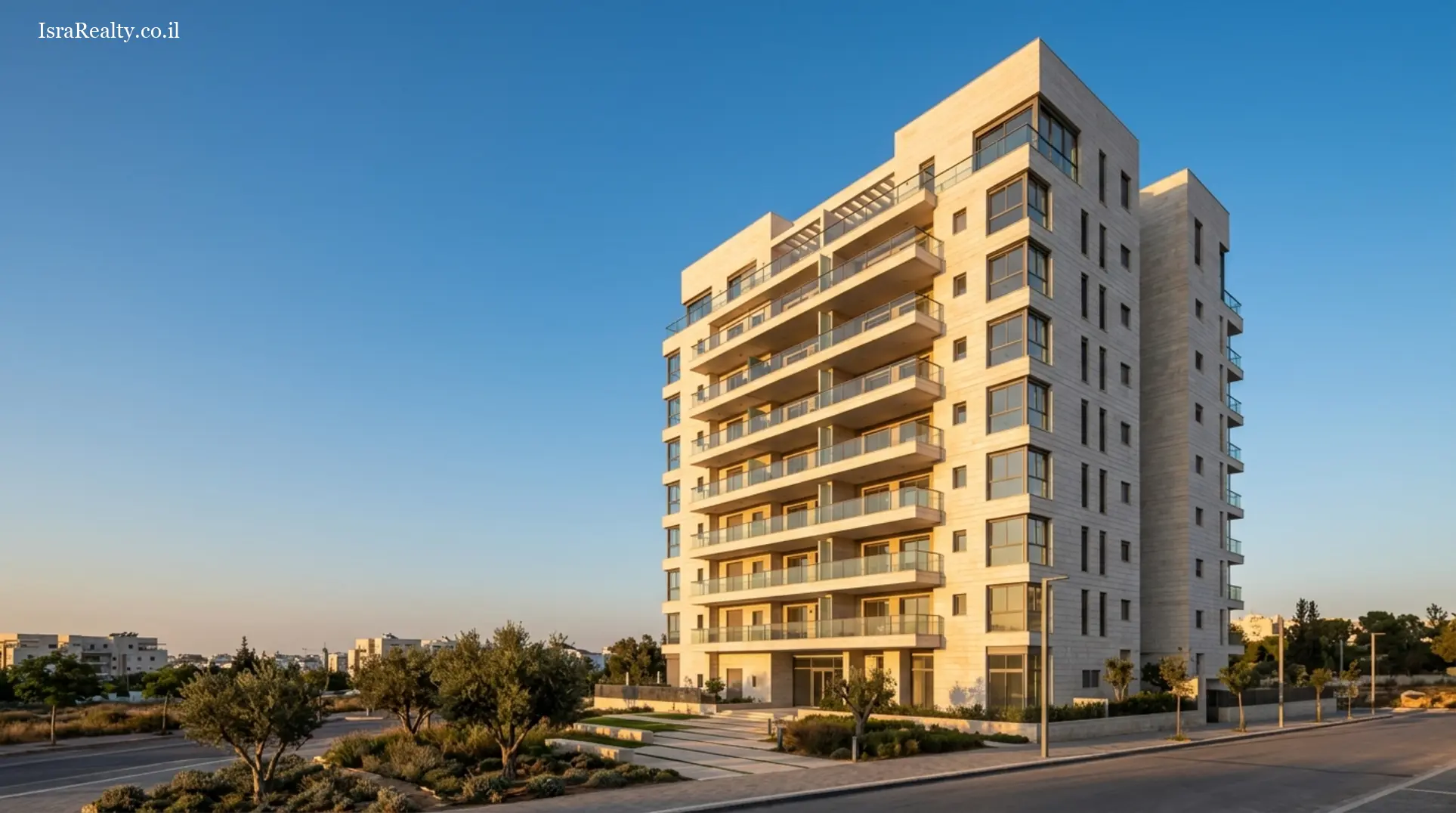
Investing in new Israeli real estate. Full transaction support, Tabu verification, mortgage calculation, and selection of developer properties in Haifa, Netanya
Read article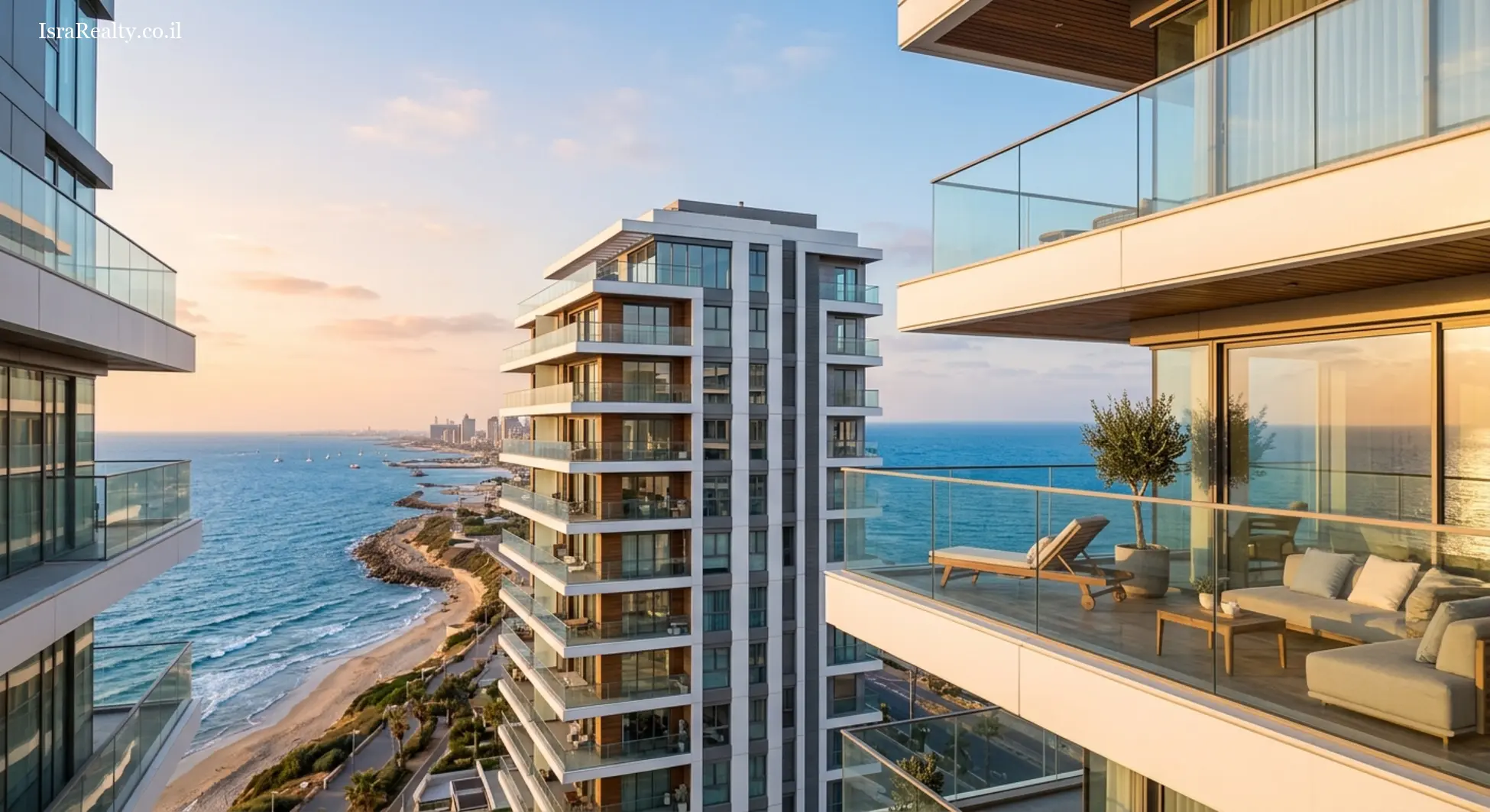
April 29, 2026
New Developments by the Sea in Israel: Buy an Apartment on the First L
Looking for an apartment on the first line in Israel? IsraRealty experts will help you choose a new development, check the property in the Tabu, and arrange a m
Read article